
Physical Therapy Equipment 101: Your Simple Guide to Healing at Home
Most people don’t spend much time thinking about Physical Therapy Equipment — until they’re suddenly the person Googling “how to fix a pulled hamstring” at eleven at night. Life goes on as normal, you carry your groceries, chase your kids around the yard, play tennis on a Sunday, and then one wrong twist and you’re limping for a week.
Or it happens gradually. A parent’s knee gets a little stiffer every winter, until one day climbing the stairs takes real effort.
Either way, once pain becomes part of your daily routine, you start looking for something better than just riding it out with painkillers. And if a doctor’s mentioned you could use some extra support at home, the options online can feel like way more than you bargained for.
Here’s the reassuring part: understanding this stuff doesn’t take a medical degree. This is a plain-language walkthrough of what physical therapy equipment actually does, how it works, and how to use it without doing more harm than good.
What Physical Therapy Equipment Actually Means
Say the phrase and most people picture something out of a hospital — big machines, cables, weighted pulleys, that one device that looks vaguely medieval.
That’s not really where most people end up shopping, though.
Sure, clinics run heavier equipment. But a large share of what’s used today is small enough to keep in a nightstand drawer: compact heating pads, handheld massagers, digital stim devices, portable ultrasound wands.
Think of them less as machines and more as shortcuts — ways of speeding up something your body was already trying to do. After an injury, the surrounding tissue tightens, blood flow to that spot drops off, and your nerves start sending pain signals more aggressively than they need to. Decent equipment helps reverse all three of those things at once.
Three Categories You’ll Run Into Constantly
Look through a rehab supply catalog, or a site like Medilight Medical Supplies, and the sheer number of products can be a lot. Almost all of it, though, fits into three groups.
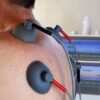
Electrical stimulation devices. TENS units are the classic example — small enough to clip to a belt, wired to adhesive pads that stick to your skin. They send out low-level electrical pulses that essentially reach the nerve endings before the pain signal itself gets a chance to register in your brain. It’s less “blocking pain” and more “interrupting the message.” Muscle stimulators use the same basic tech differently — instead of dulling pain, they cause the muscle to contract and relax on repeat, which matters a lot if you’ve been off your feet for a while and don’t want that muscle to atrophy in the meantime.
Ultrasound therapy. Different machine entirely from the one used during pregnancy checkups, despite the shared name. This version sends high-frequency sound waves — well above what the human ear picks up — into the tissue below the skin. Run it over a stiff shoulder or a strained knee and it produces a mild internal warmth that loosens tendons and ligaments and draws more blood into the area, which tends to speed healing along.
Heat and cold therapy. The most old-school option on this list, and still one of the most effective. Cold therapy is what you reach for immediately after an injury, mainly to control swelling. Heat therapy is better suited to chronic stiffness — the kind of tight, knotted muscle that builds up after weeks of overcompensating for an injury elsewhere.
Don’t Cheap Out on This Particular Purchase
Saving a few dollars feels good, generally speaking. But when you’re comparing two stimulators online and one costs a fraction of the other, that price gap should raise a flag rather than seal the deal.
Cheap electronics failing outright is one thing — annoying, but low stakes. A poorly manufactured therapy device delivering inconsistent current is a different category of problem entirely, since it can cause muscle spasms or simply fail to do anything useful while you assume it’s working. Buying from an established supplier like Medilight Medical Supplies means what you’re using has actually been tested for consistency and built with materials that won’t degrade after a few uses.
Ground Rules Worth Following
You don’t need clinical training to use this equipment responsibly, but a few habits matter.
Actually read the instructions once, even if it feels unnecessary — it’s the difference between using a heat pad correctly and accidentally leaving it on for two hours. Keep any pads or wraps away from broken skin entirely; open wounds and electrical current are a bad combination, no exceptions. And treat discomfort as a signal to stop, not push through. A gentle tingle or warmth is expected. Sharp pain, pinching, or anything that leaves you feeling worse afterward means the session’s over — check in with a professional before trying again.
Keeping the Equipment in Good Shape
Once you’ve bought something decent, a little care keeps it functional for years. A soft cloth with a bit of water handles the plastic surfaces just fine — just never let the electronic components get anywhere near actual submersion. TENS pads specifically lose their adhesive quality fast if left uncovered, so replace the protective backing every time you’re done using them. And store everything somewhere dry and out of reach of pets or small kids who might find the wiring interesting.
Where This Leaves You
Recovering from an injury, or watching someone you care about deal with one, rarely feels straightforward in the moment. But the right equipment genuinely changes the trajectory — less pain day to day, faster healing, and a lot less dependence on medication just to get through the afternoon.
If you’re not sure what actually fits your situation — a sore back, a bad knee, a shoulder that’s never quite right after that one bad fall — the team at Medilight Medical Supplies can help you figure it out without the guesswork.




Add comment