
Electrotherapy Equipment 101: Your Simple Guide to Home Pain Relief
Nobody thinks much about Electrotherapy Equipment until their own body forces the issue. Weeks go by normally — you’re hauling groceries, sitting through long shifts at a desk, playing a casual weekend game of something — and then your lower back decides it’s done cooperating. Or your shoulder tightens up after one too many days hunched over a laptop.
Once the discomfort sticks around, most people start looking for something better than just powering through with ibuprofen. And if a doctor’s ever brought up using mild electrical current to help with muscle recovery, the range of devices online can look more complicated than it needs to.
Here’s the short version: none of it requires medical training to understand. Below is a straightforward breakdown of what electrotherapy equipment actually does, how it works, and how to use it without causing yourself more trouble than you started with.
What Electrotherapy Equipment Actually Is
Mention “electricity” and “your body” in the same sentence and people’s minds tend to go somewhere dramatic — hospital dramas, jolt-you-awake defibrillator scenes, that sort of thing.
That’s not remotely what’s happening here.
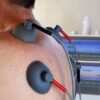
The devices people actually use at home are small, battery-powered units — often not much bigger than a phone — wired to soft adhesive pads that stick onto the skin. Nothing about them looks or feels intense.
Think of them as a way of interrupting a conversation your nervous system is having with itself. When something’s injured or sore, pain signals travel constantly up toward the brain. Those pulses get in between your muscle and the pain it’s been holding onto, which is really just a fancy way of saying: your muscles finally get to stop bracing for a second.
The Two Types You’ll Actually See
Check out a place like Medilight Medical Supplies and you’ll notice it’s really only two categories doing all the work, not the overwhelming wall of options it first looks like.
TENS — Transcutaneous Electrical Nerve Stimulation, if you want the full name nobody actually uses out loud — is the simpler of the two. Small box, a dial or a couple of buttons for intensity, wired to pads that sit on your skin. What it’s doing, essentially, is winning a race: the pulse gets to your nerve endings a split second before the pain signal does, so your brain gets the “everything’s fine” message first. It’s not doing anything about whatever actually caused the injury — that still has to heal on its own — but it buys you some breathing room while it does.
EMS is a different animal entirely, even though it looks almost identical from the outside. Instead of racing pain signals, it goes straight for the muscle and makes it contract and let go, contract and let go, on a loop. Where this actually earns its keep is during the boring part of recovery — the week or two you’re stuck resting after surgery or a bad sprain, when your muscle isn’t getting used at all and starts losing tone just from sitting idle. EMS keeps it doing something, even if you’re not.
Don’t Grab the Cheapest One on the Page
Everyone’s wired to chase a deal — nothing wrong with that. But scroll through muscle stimulators online and you’ll spot the same pattern every time: one option priced normally, another priced like it fell off a truck. And the instinct is always to just add the cheap one to cart and move on with your day.
Hold off on that instinct, though.
Devices that interact directly with your body aren’t a great place to cut corners. A cheap phone charger failing is a minor inconvenience. A poorly built therapy device delivering inconsistent current is a different situation entirely — it can trigger muscle spasms rather than relief, or simply do nothing useful while you assume it’s working. Buying from an established source like Medilight Medical Supplies means the equipment’s actually been tested for consistency, rather than assembled as cheaply as possible and shipped out.
Using This Stuff Without Hurting Yourself
You don’t need clinical training to use electrotherapy safely, but a few habits genuinely matter.
Read through the instructions once — tedious, sure, but it prevents mistakes like cranking the intensity too high or leaving a device running well past the recommended time. Keep the pads away from any broken skin entirely; open cuts and electrical current have no business being near each other. And treat the sensation itself as a guide: a gentle tingle or light massage-like feeling is normal, but pinching, burning, or pain that gets worse instead of better means it’s time to stop and check in with someone qualified.
Keeping the Device Working Long-Term
A little maintenance goes a long way once you’ve bought something decent. A damp cloth handles the outer casing fine — just don’t ever submerge the electronic unit itself in water. The gel pads lose their stickiness fast if left exposed, so put the clear plastic backing on after every use rather than leaving them out. And keep the whole setup somewhere dry, away from pets or kids who might find the wires more interesting than they should.
Where That Leaves You
Chronic tension or a stubborn injury wears people down over time, and reaching for medication constantly isn’t a great long-term plan for most people. The right electrotherapy device gives you a genuinely useful alternative — something that eases the discomfort directly without adding anything to your system.
Not sure which device actually fits your situation, whether it’s a sore lower back, tight shoulders, or recovery after a hard workout? The team at Medilight Medical Supplies can help you sort through the options without the guesswork.




Add comment