
Physiotherapy Machines 101: Your Simple Guide to Healing at Home
Most people don’t think twice about Physiotherapy Machines until they actually need it. You go about your week, haul a heavy bag around, play a pickup soccer game on Saturday, spend an afternoon in the yard — and then your lower back just decides it’s had enough.
Or maybe it’s your ankle. One bad step on the court, a little roll, and now you’re limping to the car wondering how long this is going to last.
Once ordinary movement starts hurting, the question becomes: how do you fix it without popping pills every four hours? And if a doctor’s already mentioned that you’ll need “some extra support” while healing, the wall of gadgets online can feel like a foreign language.
Here’s the reassuring part — none of this requires a medical background to understand. Below is a plain breakdown of what these machines actually do, how they work, and how to use them without making things worse.
What Counts as a “Physiotherapy Machines,” Exactly?
Say that phrase out loud and a lot of people picture some intimidating clinic setup — pulley systems, stacked weight plates, a contraption in the corner nobody’s quite sure how to operate.
That’s not really what we mean here.
Big rehab centers do have that kind of equipment, sure. But most of what people actually buy for home use fits in a drawer: heating pads, handheld massagers, small digital stim units, compact ultrasound wands.
These are basically stand-ins for what your body would eventually do on its own — just faster. After an injury, tissue tightens up, blood flow to the area slows, and your nerves start firing pain signals more than they need to. A decent machine nudges blood back into the spot, loosens the stiff tissue, and quiets those overactive signals down.
Three Machines Worth Actually Knowing About
Walk into a rehab clinic, or browse somewhere like Medilight Medical Supplies, and the number of options can get overwhelming fast. Most of it, though, boils down to three categories.
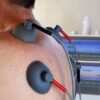
TENS units and muscle stimulators. Ever wondered how people manage pain without taking anything? This is usually the answer. A TENS unit is a small box — about the size of a deck of cards — wired to sticky pads that stick onto your skin. It sends out mild electrical pulses that reach your nerves before the actual pain signal makes it to your brain. Not exactly science fiction, more like cutting in line ahead of the pain message. Muscle stimulators look almost identical, but they do the opposite job — instead of blocking pain, they make the muscle contract and release on a rhythm. Useful if an injury’s got you stuck in bed, since it keeps the muscle from wasting away while you’re not using it.
Therapeutic ultrasound. Not the machine your doctor uses on a pregnant belly — different tool, same basic idea of sound waves you can’t hear. Run the wand over a sore shoulder or a sprained knee and those waves pass straight through the skin. Once they reach deeper tissue, they create a mild warming effect that loosens stiff tendons and pulls extra blood into the area, which speeds up repair.
Hot and cold therapy. Sometimes the old tricks still work best. Ice and heat haven’t gone anywhere — the devices have just gotten smarter about it. Cold packs are your first move right after a fresh injury, when swelling is the main issue. Heat wraps hold a steady temperature for hours and are better suited to loosening knotted-up muscles after a long day.
Skip the Twenty-Dollar Knockoff
Everyone likes a deal. So when you’re scrolling and see two muscle stimulators side by side — one at twenty bucks, one priced a bit higher — the cheap one is tempting.
Think twice, though.
A cheap phone charger dying is annoying for an afternoon. A poorly built electrical therapy device delivering uneven current is a different kind of problem — it can trigger spasms rather than relief, or just do nothing useful at all. Buying from somewhere established, like Medilight Medical Supplies, means the equipment touching your body has actually been tested and built with materials that hold up.
A Few Rules Before You Use Any of This
You don’t need training to use recovery gear at home, but a couple of common-sense habits go a long way.
Read the manual, even though it’s boring — ten minutes now saves you from leaving a heat pad on too long or setting a TENS unit way past comfortable. Keep pads off any broken skin; cuts and open wounds don’t mix with electricity, full stop. And pay attention to how it actually feels. Relief, warmth, a light tingle — normal. Sharp pain, pinching, anything that makes it worse — stop and call someone who knows more than an internet article.
Making the Gear Last
Once you’ve spent money on decent equipment, you probably want it around for a while. Upkeep is minimal. Wipe the plastic housing down with a slightly damp cloth after use, but never dunk the electronic parts in water. The gel pads on TENS units dry out fast if left exposed to dust or lint, so put the plastic backing on after every session. And store everything somewhere dry, ideally out of reach of a curious toddler or a dog that thinks wires are chew toys.
The Short Version
Dealing with an injury, or pain that just won’t quit, is exhausting on its own. Having the right tools around makes the process less miserable — you get some control back, heal a bit faster, and stop feeling sidelined by your own body.
If you’re still not sure what fits your sore back, your tweaked knee, or whatever’s bothering you this week, the team at Medilight Medical Supplies can help you sort through it without the guesswork.




Add comment