
Physiotherapy Equipment 101: Your Simple Guide to Healing at Home
Nobody thinks about Physiotherapy Equipment until they actually need it. You carry a heavy backpack around all week, play a weekend soccer match, spend a Saturday doing yard work — and then one day your lower back just… locks up. Or maybe you land wrong going up for a rebound and your ankle blows up like someone stuck a bike pump in it. Now every step is a negotiation. You don’t want to live on ibuprofen, but you’re also not thrilled about the idea of driving to a clinic three times a week either. And if a doctor’s already told you that you need “extra support” while you heal — good luck, because the aisle of gadgets you’re now staring at doesn’t exactly come with a manual for beginners.
Relax, though. None of this requires a medical degree. What follows is a plain rundown of what these tools actually do, how they work under the hood, and how not to make things worse while using them.
What Even Is “Physiotherapy Equipment”?
Mention that phrase and most people’s brains jump straight to some clinic gym — pulley systems, stacked weight plates, some machine in the corner that looks like it belongs in a torture museum.
That’s not really the picture here.
Yes, the big rehab centers have that stuff. But honestly, most of what people actually use these days is small enough to fit in a drawer — heating pads, handheld massage guns, digital stim units, little ultrasound wands you can run over a sore knee while watching TV.
Basically, they’re stand-ins for what your body would eventually do on its own, just faster. When something’s injured, the tissue around it stiffens, blood stops flowing through as freely as it should, and your nerves start sending out pain signals a little too enthusiastically.The right tool nudges blood back into that spot, loosens the tight tissue, and quiets those overactive pain signals — no prescription required.
Three Tools Worth Knowing
Browse a rehab center or a shop like Medilight Medical Supplies and you’ll run into a lot of options. Most of it falls into three categories.
TENS Units and Muscle Stimulators
Ever wonder how people manage pain without popping a pill? This is usually how.
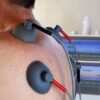
A TENS unit is a small box, often no bigger than a deck of cards, wired to sticky pads you stick on your skin. It sends mild electrical pulses through the nerves — pulses that essentially get there before the actual pain signal does. It’s a bit like cutting in line ahead of the pain message on its way to your brain.
Muscle stimulators look almost identical but do something different: instead of blocking pain, they make your muscles contract and release on a rhythm. That’s especially useful if an injury has you stuck in bed for days, since it keeps the muscle from wasting away while you’re not using it normally.
Therapeutic Ultrasound
Not the same machine your doctor uses to check on a baby — different tool entirely. Therapeutic ultrasound uses sound waves at a frequency far above what you can hear.
Run the device over a sore shoulder or a sprained knee, and those waves pass straight through the skin. Once they’re deep in the tissue, they generate a subtle warming effect — enough to loosen stiff tendons and ligaments and pull extra blood into the area so it can start repairing itself faster.
Hot and Cold Therapy
Sometimes the old tricks are still the good ones. Ice packs and heating pads haven’t gone anywhere, they’ve just gotten smarter.
Cold therapy is your go-to right after a fresh injury, when swelling is the main problem. Heat wraps, on the other hand, hold a steady, safe temperature for hours — useful for loosening up knotted back muscles after a rough day at work.
Don’t Skimp on Cheap Knockoffs
Everyone likes saving a few dollars. So when you’re scrolling online and see two muscle stimulators side by side — one at twenty bucks, one priced more reasonably — it’s tempting to just click the cheaper one.
Worth pausing on this one, though.
A cheap phone charger dying just means you’re annoyed for an afternoon. A poorly built electrical therapy device delivering uneven or jumpy current is a different problem entirely — it can trigger muscle spasms instead of relief, and undo whatever progress you’ve made. Buying from a trusted supplier like Medilight Medical Supplies means the equipment touching your body has actually been tested and built with materials that won’t let you down.
A Few Ground Rules for Using This Stuff Safely
You don’t need training to use home recovery gear, but a handful of common-sense rules go a long way:
- Read the manual. Yes, it’s boring. It also stops you from leaving a heat pad on for two hours or cranking a TENS unit to the highest setting by accident.
- Keep pads off broken skin. Cuts, scrapes, open wounds — electricity and broken skin were never meant to meet.
- Pay attention to how it feels. Relief, warmth, a mild tingle — all normal. Pain, pinching, or anything that makes things worse means stop immediately and check with a professional.
Keeping Your Equipment Running for the Long Haul
Once you’ve bought decent gear, you’ll want it to actually last. Maintenance takes almost no effort:
Wipe plastic surfaces down with a slightly damp cloth after use — just don’t ever dunk the electronic parts in water. The gel pads on TENS units lose their stick fast if they’re left exposed to dust or lint, so put the plastic backing on after every use. And store everything somewhere cool and dry, ideally out of reach of curious kids or pets who might decide the wires look chewable.
Bottom Line
Dealing with an injury or ongoing muscle pain is frustrating on a good day. Having the right tools nearby makes a real difference — they let you take some control back, speed up the healing process, and get back to your normal routine instead of feeling stuck on the sidelines.
Not sure which device fits your sore back, tweaked knee, or sports injury? The team at Medilight Medical Supplies can help you figure out a solution that actually works, without the guesswork.




Add comment