
Home Medical Devices: What You Actually Need
Have you ever tried helping an older relative get up out of a deep couch, or spent an evening worrying about a family member who just got sent home from the clinic? It wears you out fast. One day you’re just going through your usual routine, and the next you’re sitting in front of a browser tab past midnight, trying to figure out what half these Medical Devices on the screen even do.
Most people never learn the difference between a rollator and a regular walker growing up. There’s no reason they should have. Nobody teaches this stuff until you actually need it.
Shopping for medical devices tends to feel a lot scarier than it actually is once you get into it. You don’t need a medical degree, and you definitely don’t need to blow your whole budget. What helps most is a bit of common sense, ignoring the flashy marketing language, and having a rough idea of what’s actually going to make daily life easier for whoever needs it.
What Actually Ends Up in the House
Companies selling healthcare gear love dressing up simple products with technical-sounding names. Open an actual supply closet in a normal home, though, and there’s nothing resembling a laboratory in sight.
What you’ll find instead is pretty ordinary. A metal walker that keeps someone steady walking down the hallway. A blood pressure cuff that does its job at the push of one button. A shower chair, so nobody ends up slipping on wet tile. None of it looks impressive, but it doesn’t need to. If something keeps a person safer, eases daily pain, or saves a stressful trip to urgent care in the middle of the night, it’s doing exactly what it’s supposed to.
Three Areas Cover Almost Everything
Browse an online medical supply catalog and you’ll get pitched a thousand gadgets nobody actually needs. Skip most of it. For the majority of households dealing with an injury, a surgery recovery, or aging parents, everything really comes down to three general areas.
Getting Around
After an injury or surgery, even a short walk to the kitchen can feel like a real hike. This is where basic mobility aids matter — a solid walker or a lightweight wheelchair hands someone their independence back instead of leaving them stuck in one room all day. Bathroom safety gear deserves attention too. A grab bar or a shower seat sounds minor until you remember how many falls happen right there in that exact spot.
Checking the Basics
Nobody wants to sit in a waiting room just to get a baseline number checked. A decent set of health monitoring tools handles a lot of that from home instead — blood pressure, temperature, oxygen levels, all without leaving the couch. A fast thermometer or a small clip-on pulse oximeter removes a lot of the guesswork when someone’s clearly not feeling like themselves.
Recovery
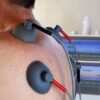
Sitting still doesn’t always fix a sore back or a stiff shoulder on its own. A heating pad or a basic electronic muscle stimulator can loosen things up and take the edge off daily aches, without a physical therapy appointment every other week.
The Cheap Option Usually Costs You Later
This happens to almost everyone at some point. Two products online look nearly identical, but one’s a fraction of the price of the other, and the instinct is to grab the cheaper one without thinking twice.
For medical gear specifically, that instinct tends to backfire. A cheap phone charger just stops working one day, and that’s mildly annoying. A cheap health monitor gives you a wrong number instead, and if it says everything’s fine when it isn’t, you might miss a real warning sign your body was trying to send. There’s a physical side to this too — flimsy plastic cracks under real pressure, and a walker handle snapping under someone’s full weight isn’t a small inconvenience.
Sticking with a name people actually trust, like Medilight Medical Supplies, cuts a lot of that risk out entirely. The gear’s been tested properly, built to actually hold up, and won’t leave anyone stranded when it matters most.
A Few Things Worth Checking First
Before checking out, it helps to run through a short mental list.
Can the display actually be read without effort? Squinting at a tiny screen or digging through ten confusing menus is the last thing anyone wants while stressed or tired — bigger numbers and simpler buttons go a long way.
Has anyone actually measured the space? A heavy-duty recliner might look perfect in photos, but it still has to fit through a bedroom doorframe, and dealing with return shipping on something bulky is a hassle worth avoiding.
Does it wipe down easily? Gear like this gets handled constantly, so smooth surfaces that clean fast with a disinfectant wipe save a lot of hassle down the line.
Keeping It Working for Years
Once you’ve spent real money on solid equipment, you want it to last. The upkeep, fortunately, barely takes any effort.
Keep electronics away from steam and humidity, since a bathroom cabinet slowly wrecks circuit boards over time — a dry shelf somewhere else does the job better. If something only comes out during cold and flu season, pull the batteries before putting it away, because leaking battery acid can quietly ruin a perfectly good device from the inside. And every so often, it’s worth glancing over cords for fraying, or tightening any screws that have worked loose on a walker or frame.
Wrapping Up
Taking care of a family member’s health at home doesn’t have to feel like a second job. Stick with solid, practical gear, skip the internet clutter nobody actually needs, and any room in the house can double as a safe space for recovery.
Maybe it’s helping a parent get steady again, or just stocking up for peace of mind — either way, having reliable medical devices around genuinely changes things. And if you’re ever unsure what you actually need, the team at Medilight Medical Supplies is around to help you sort it out.




Add comment