
Physiotherapy Supplies 101: Your Simple Guide to Healing at Home
Nobody thinks about Physiotherapy Supplies until they actually need one. Weeks go by as usual — carrying groceries, playing weekend sports, mowing the lawn — and then out of nowhere your back locks up, or you land wrong going for a rebound and your ankle swells up on the spot.
Once ordinary movement starts hurting, the obvious question is how to deal with it without living on painkillers. And if a doctor’s already mentioned you’ll need some extra support while healing, the range of products online can feel like more than you bargained for.
Here’s the reassuring part: understanding this stuff doesn’t take a medical background. Below is a plain rundown of what common physiotherapy supplies actually do, how they work, and how to use them without making things worse.
What Counts as a Physiotherapy Supplies, Really
Say the phrase and a lot of people picture some intense clinic gym — pulley systems, stacked weights, a machine in the corner nobody’s quite sure how to use.
That’s not really the picture here.
Sure, big clinics run heavier equipment. But most of what people buy for home use is compact enough to keep in a drawer: targeted heating pads, handheld massagers, digital muscle stimulators, small ultrasound devices.
These are basically shortcuts for something your body is already trying to do on its own. After an injury, tissue tightens, blood flow to the area slows, and pain signals fire more than they need to. Decent gear nudges blood back into the spot, loosens the stiff tissue, and calms those signals down.
Three Supplies Worth Knowing About
Browse a rehab center, or a supplier like Medilight Medical Supplies, and the number of gadgets can be a lot. Most of it, though, falls into three categories.
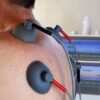
TENS units and muscle stimulators. Ever wondered how people manage pain without taking anything? This is usually the answer. A TENS unit is a small, pocket-sized box wired to sticky pads that stick onto the skin. It sends out mild electrical pulses that reach the nerves before the actual pain message makes it to the brain — less a cure, more a well-timed distraction. Muscle stimulators look almost identical but work differently: instead of blocking pain, they make the muscle contract and release on a rhythm, which matters most when an injury has you resting in bed and you don’t want that muscle wasting away in the meantime.
Therapeutic ultrasound. Not the machine used for checking on a baby — a different tool entirely, though it shares the same basic idea of sound waves you can’t hear. Glide it over a sore shoulder or a sprained knee and the waves pass straight through the skin. Once they reach deeper tissue, they create a mild warming effect that loosens stiff tendons and ligaments and pulls extra blood into the area, speeding up repair.
Hot and cold therapy. The oldest tools on this list, and still some of the most effective. Cold packs are the right move right after a fresh injury, mainly to control swelling. Heat wraps hold a steady temperature for hours and work better on stiff, knotted muscles that build up after a long day.
Skip the Bargain Knockoff
Everyone likes saving money. So when two muscle stimulators show up side by side online, one clearly cheaper, it’s tempting to just grab the inexpensive one.
Worth pausing on that, though.
Supplies that interact directly with your body aren’t a great place to cut corners. A cheap phone charger dying is annoying for a day. A poorly made therapy device delivering uneven current is a different kind of problem — it can trigger spasms instead of relief, or just fail to help at all while you assume it’s working. Sticking with an established supplier like Medilight Medical Supplies means what you’re using has actually been tested and built with materials that hold up.
A Few Rules Before You Use Any of It
You don’t need to be a professional therapist to use home recovery supplies, but a couple of habits go a long way.
Read the manual once, even though it’s tedious — it’s the difference between using a heat pad properly and accidentally leaving it on for two hours. Keep pads off any broken skin entirely; cuts and electrical current don’t mix, no exceptions. And pay attention to how it actually feels. Relief, warmth, a mild tingle — normal. Sharp pain, pinching, anything that leaves you worse off — stop and check in with a professional before trying again.
Making the Gear Last
A little upkeep keeps decent supplies working for years. Wipe plastic surfaces down with a slightly damp cloth after use, but never submerge the electronic parts in water. The gel pads on TENS units dry out fast if left exposed to dust or lint, so put the plastic backing on after every session. And store everything somewhere dry, ideally out of reach of a curious kid or a dog that treats wires like chew toys.
The Short Version
Dealing with an injury or ongoing muscle pain is exhausting on its own. Having the right supplies nearby makes the process a lot less miserable — you get some control back, heal faster, and stop feeling sidelined by your own body.
If you’re still not sure what fits your sore back, tweaked knee, or sports injury, the team at Medilight Medical Supplies can help you sort through it without the guesswork.




Add comment