
A Real Person’s Guide to Home Medical Equipment
Nobody’s browsing walkers for fun on a Saturday. Most of us are just trying to get through the week — groceries, work, whatever’s on the calendar — and Medical Equipment isn’t exactly on anyone’s radar until it suddenly has to be.
Then something happens. A knee gives out mid pickup game. Or your dad starts needing a little extra help getting around the kitchen, and you realize you’ve never actually shopped for this stuff before. So there you are at 11 p.m., phone light in your face, reading product descriptions full of words you’ve never had a reason to know.
Take a breath. This isn’t as complicated as it looks on a screen full of specs. Really it comes down to three things: figure out what actually works, keep it simple, and don’t cheap out on the parts that matter.
What This Stuff Actually Is
Say “medical equipment” and people picture an ICU — alarms going off, tubes everywhere, machines the size of a fridge.
That’s not what shows up in most living rooms. Not even close.
What you’ll actually deal with is a lot more boring, in a good way. A steel wheelchair. A set of bed rails. A blood pressure cuff sitting in a kitchen drawer. Maybe a little pill box so Tuesday’s medication doesn’t end up mixed in with Thursday’s. If it helps someone heal, or keeps them from slipping in the shower, or lets you check a fever without a thermometer under the tongue for three minutes — that’s the job it’s doing. Nothing more dramatic than that.
Three Buckets, Roughly
You don’t need to wade through the full catalog. Most households only ever need something from three general areas, and honestly even that’s being generous.
Getting around. After surgery, or with a bad leg, a trip to the bathroom can feel like a hike. A walker or rollator gives you something solid to lean on. A wheelchair matters if you can’t put weight on a foot, or if a long afternoon of errands would otherwise wreck you. And bathroom stuff — shower chairs, raised toilet seats — sounds minor until you remember how many falls actually happen in there. It’s more than people think.
Checking vitals. Catching a problem at home beats an ER visit at 2 a.m., every time. A blood pressure monitor now does the whole job with one button. A pulse oximeter clips on a finger and gives you an oxygen reading in a few seconds — my mother-in-law keeps one on her nightstand and swears by it. Even thermometers have gotten faster, which matters a lot when the person you’re checking is a fussy six-year-old who won’t sit still.
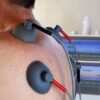
Recovery. Sore back, stiff shoulder, whatever it is — sometimes just resting on the couch doesn’t cut it. A heating pad or a basic TENS unit can take the edge off without booking a physical therapy appointment every other day.
The Cheap Option Isn’t Actually Cheaper
You’ll see this constantly while shopping: two blood pressure monitors that look nearly identical, one at fifteen dollars, one at forty. The instinct is to grab the cheaper one and move on.
Don’t, though. Not for this.
A dead phone charger is annoying. A blood pressure cuff that reads wrong is a different problem entirely — if it tells you everything’s fine when it isn’t, you might ignore something you shouldn’t. And the cheap plastic housing on some of these things genuinely cracks under normal use. A walker handle snapping mid-step isn’t a hypothetical; it happens, and usually at the worst possible moment. Sticking with somewhere like Medilight Medical Supplies means someone’s already done the vetting for you — the gear’s actually been tested, not just photographed well.
Before You Check Out
A few things worth asking yourself:
Can you actually read the display without squinting? When someone’s tired or not feeling great, a tiny screen with a confusing menu is the last thing they need.
Did you measure the doorway? That recliner looked great in the photos, but it needs to physically fit through your hallway, and returns on bulky items are a pain nobody wants to deal with.
Can you wipe it down fast? This stuff gets handled a lot. Smooth surfaces that clean easily save you time later.
Keeping It Working
Once you’ve bought the thing, you’d like it to survive more than a season. Not much effort involved, really:
Keep electronics away from the bathroom — steam kills circuit boards slowly over time, so find it a dry shelf somewhere else. If a device only comes out during flu season, pull the batteries before it goes back in the closet; old batteries corrode and ruin the inside of an otherwise fine device. And every so often, just glance at cords and joints — fraying wires and loose walker hinges are easy to miss until they’re not.
Bottom Line
None of this needs to feel like a second job. Buy solid gear, keep the setup simple, skip the extras nobody asked for, and any room in the house can work fine for recovery.
If you’re helping a parent stay steady, or just want some peace of mind sitting in a drawer somewhere, reliable equipment is worth the money. And if you get stuck figuring out what you actually need, the folks at Medilight Medical Supplies are around to help sort it out.




Add comment